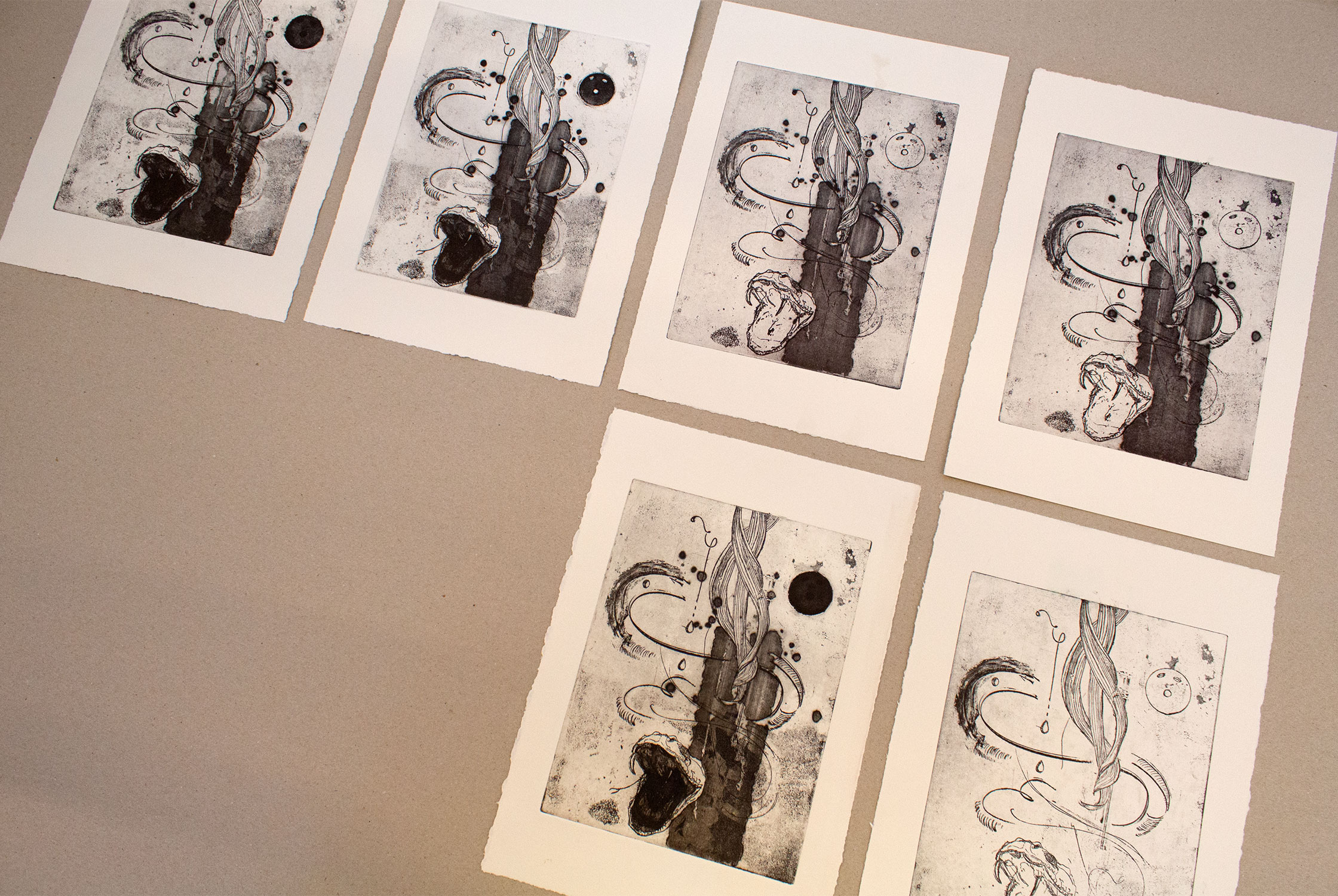
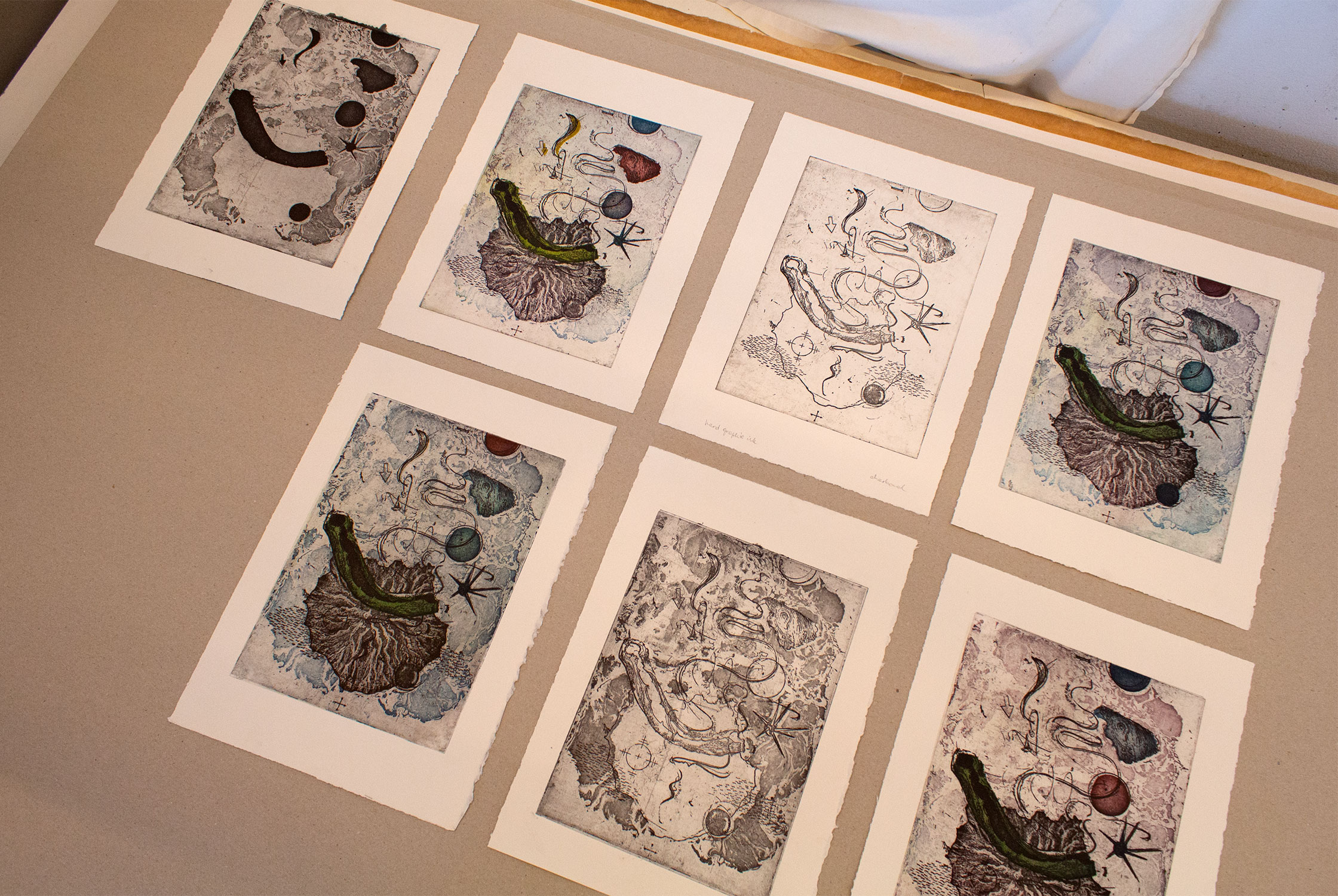
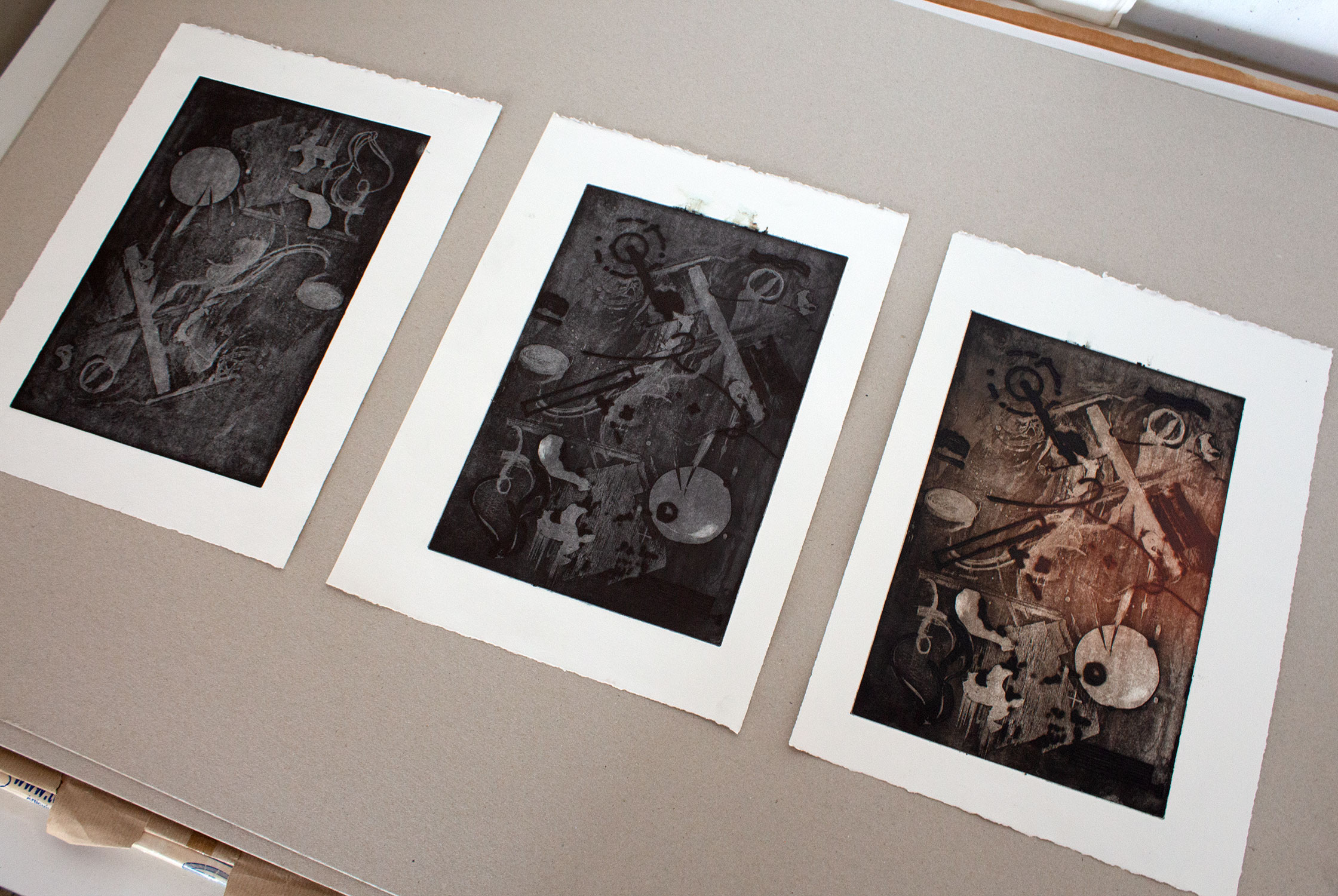
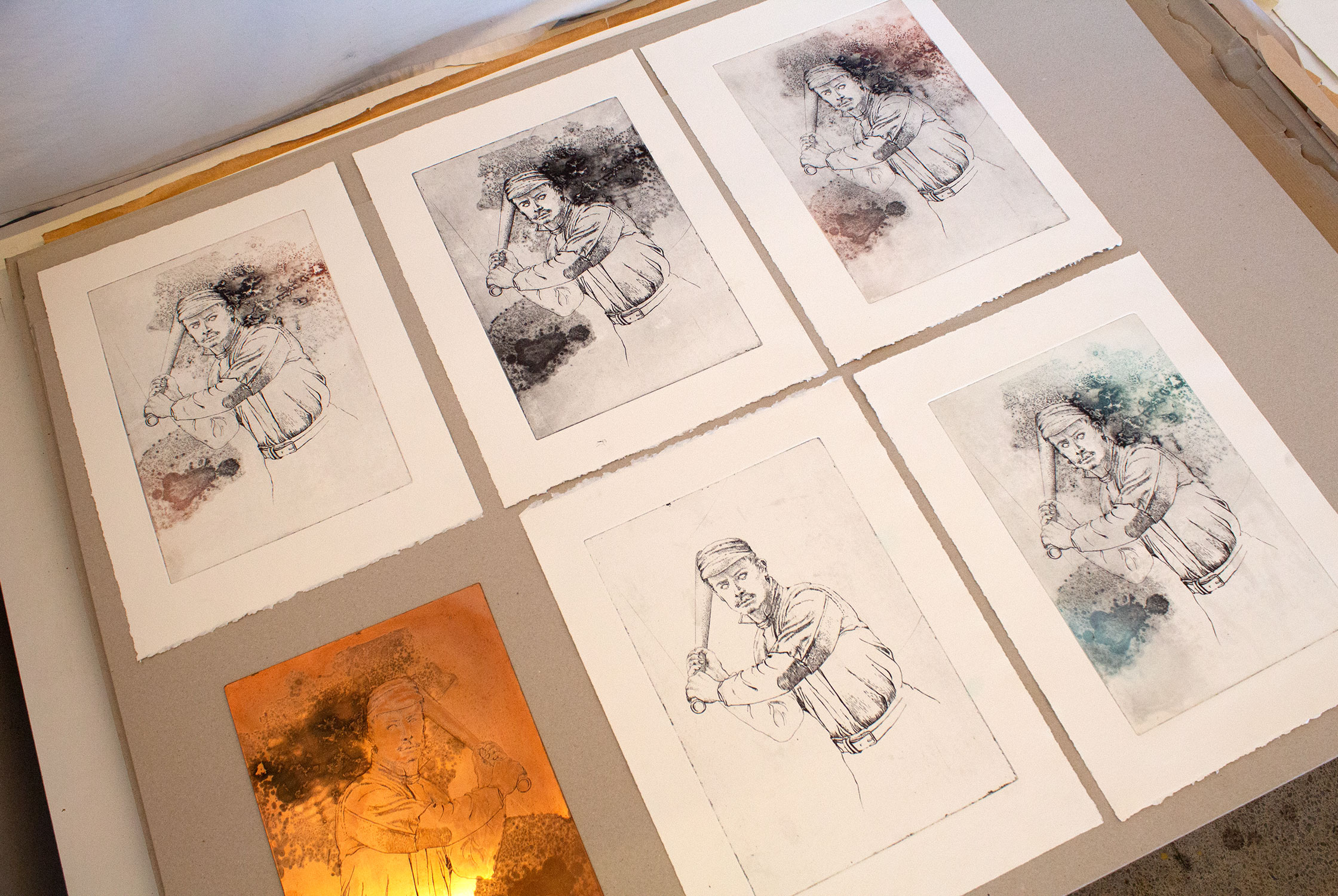
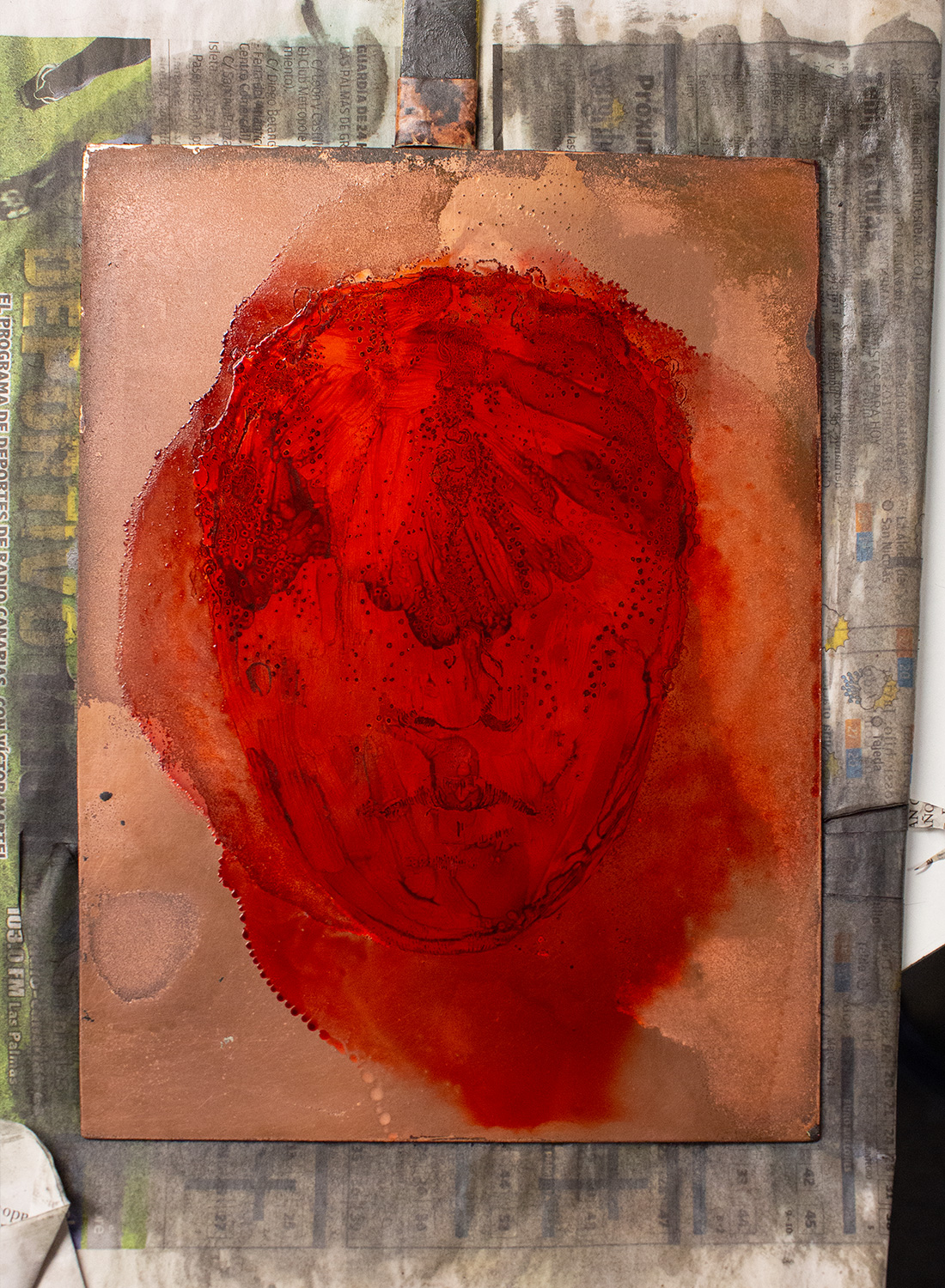
Non-toxic printmaking research
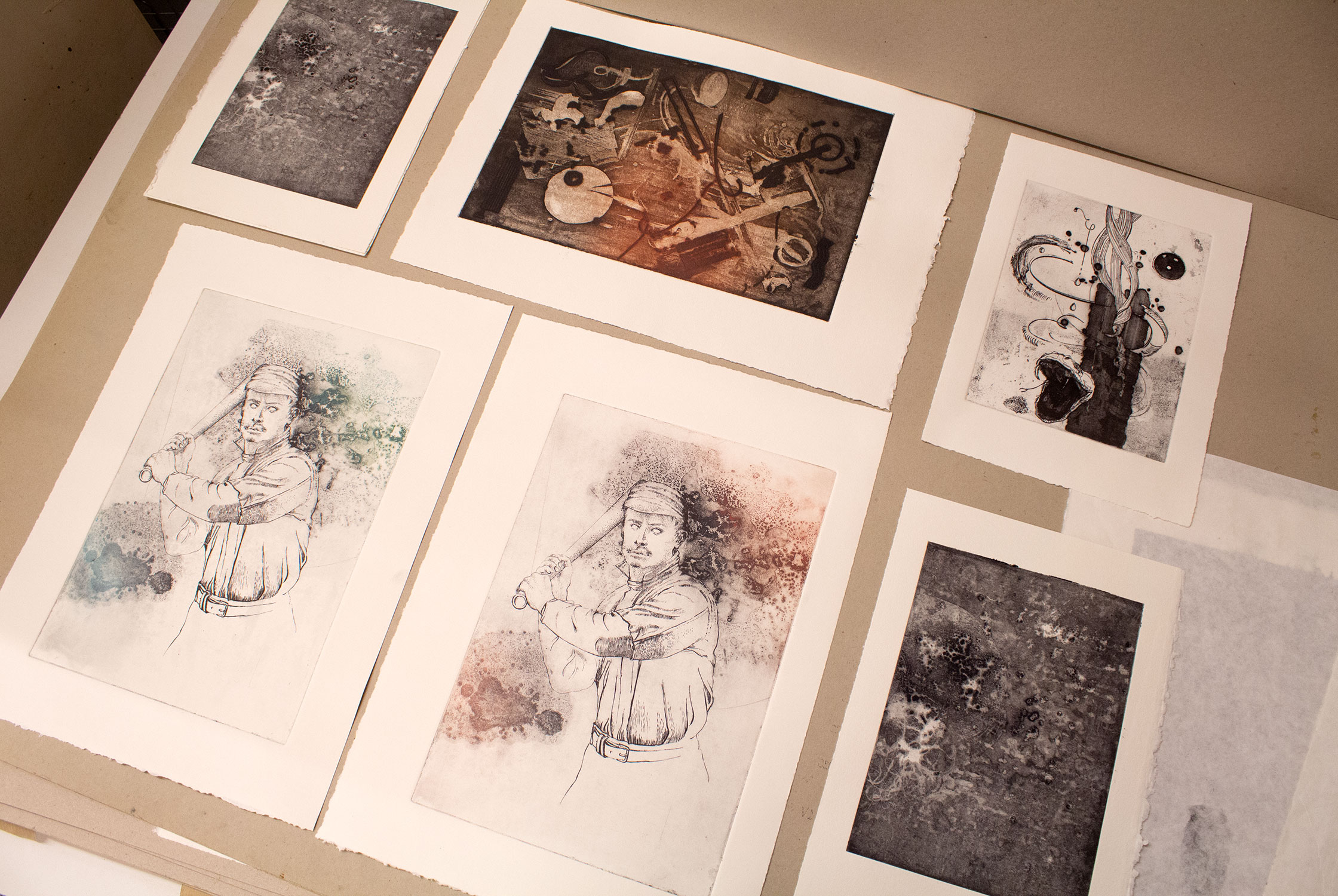
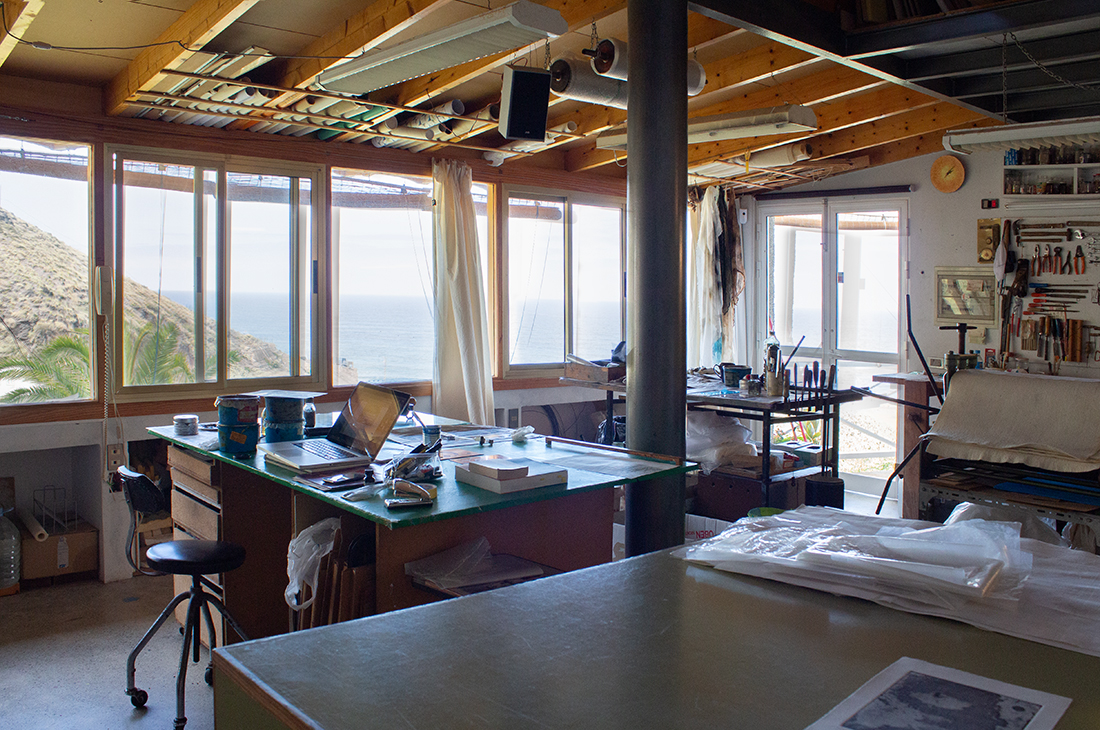
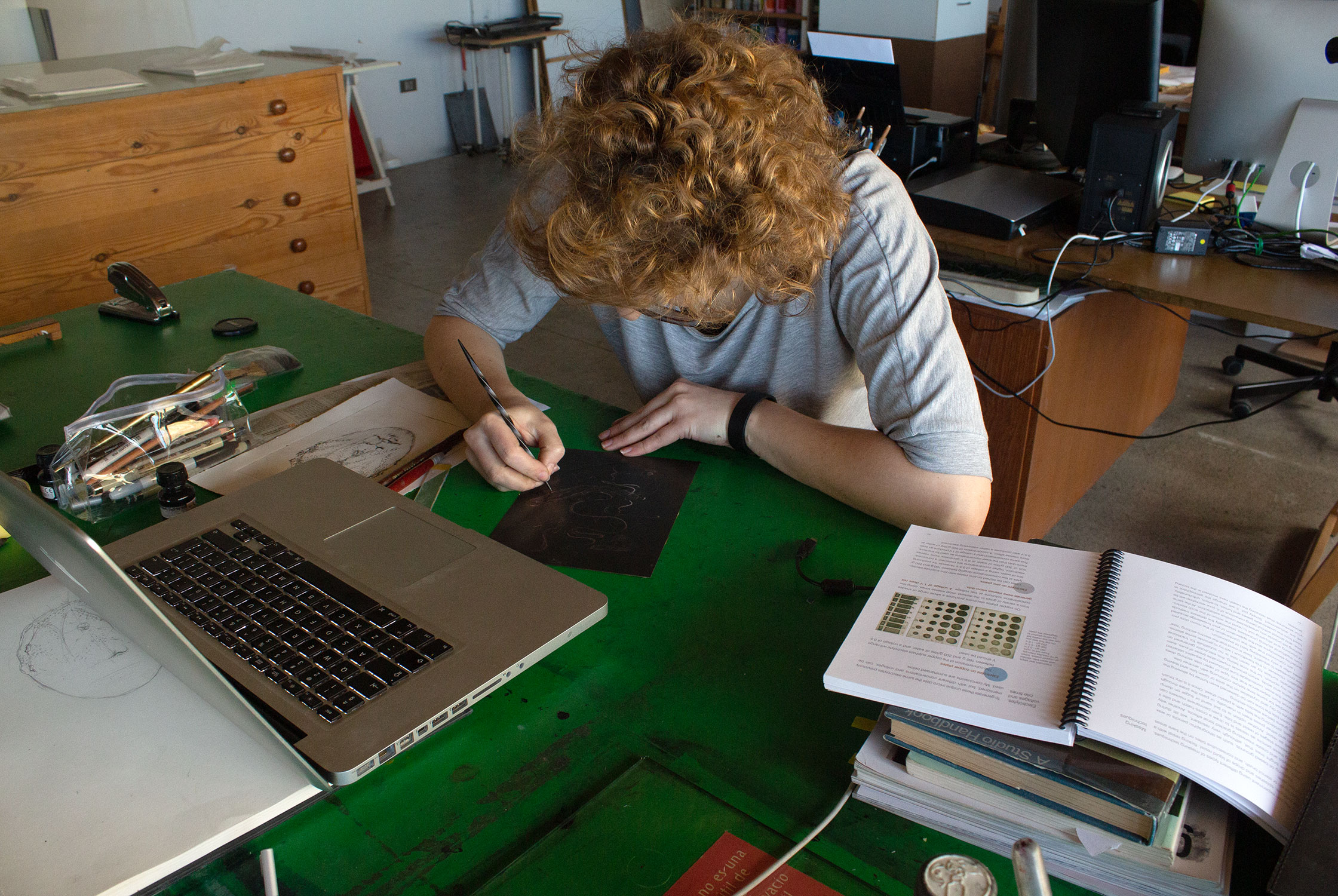
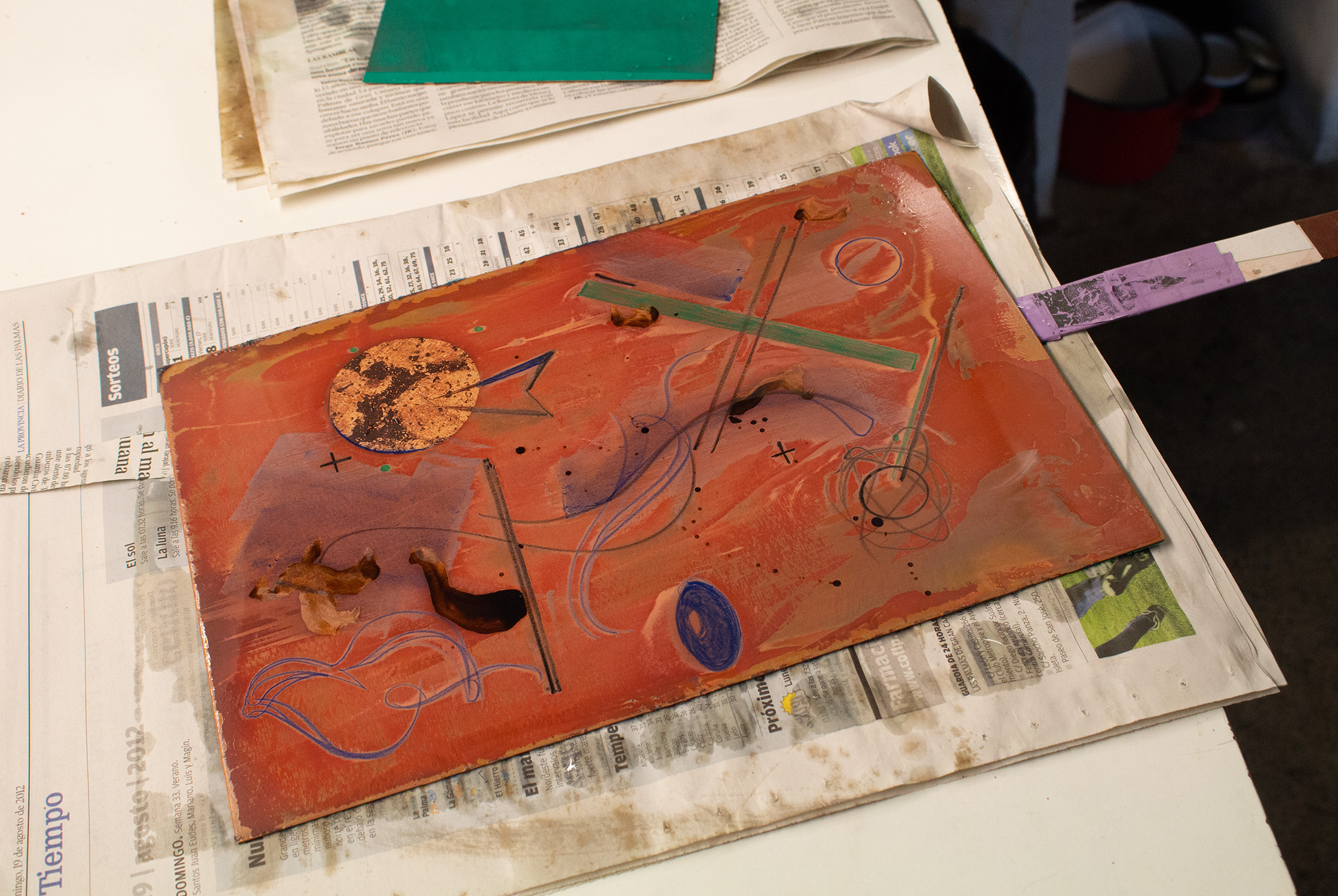
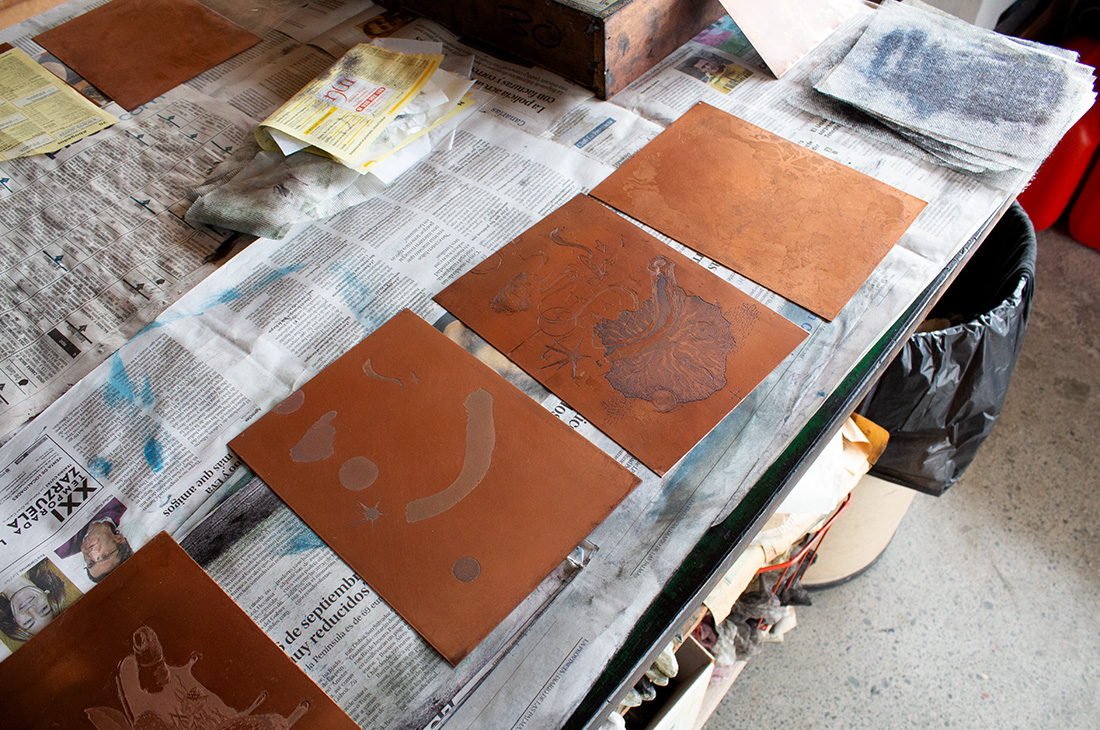
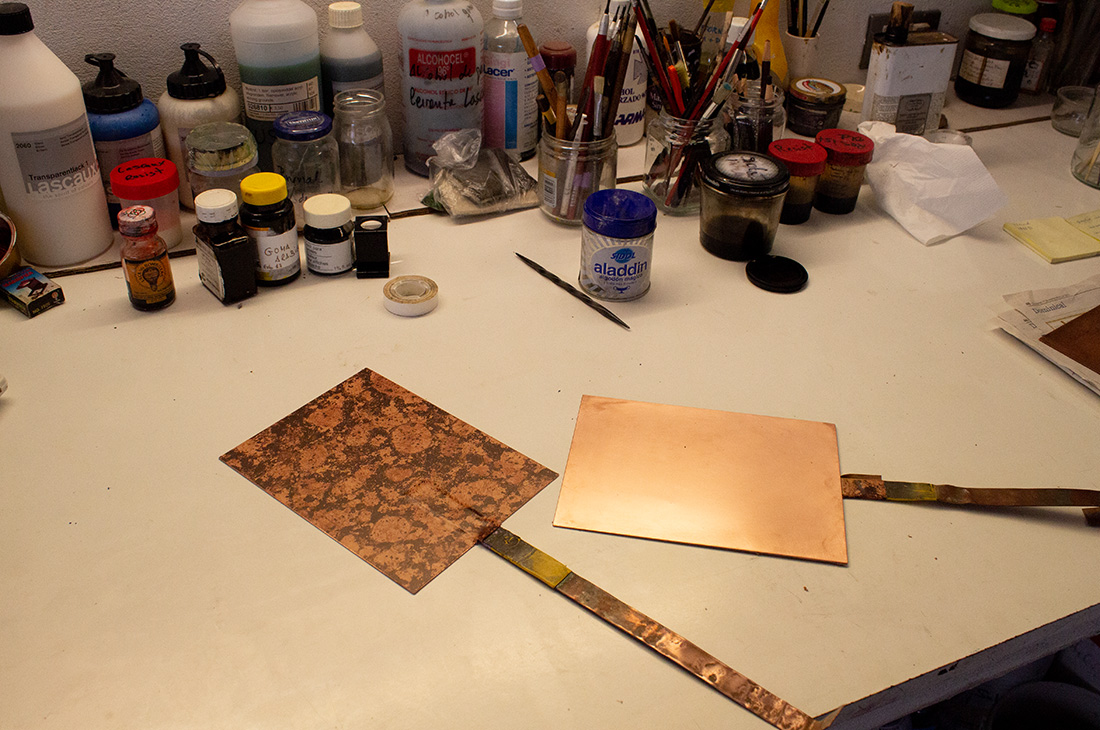
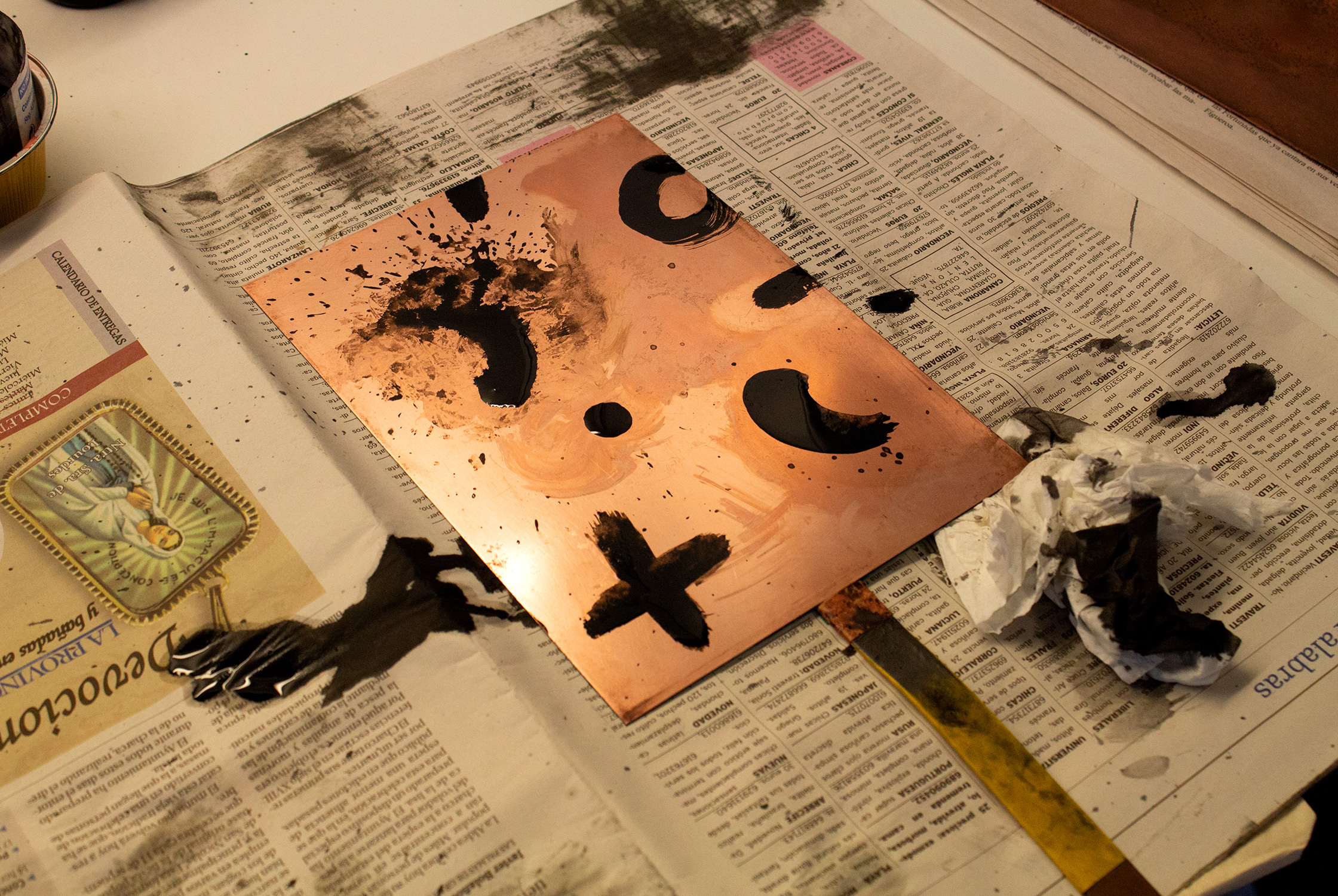
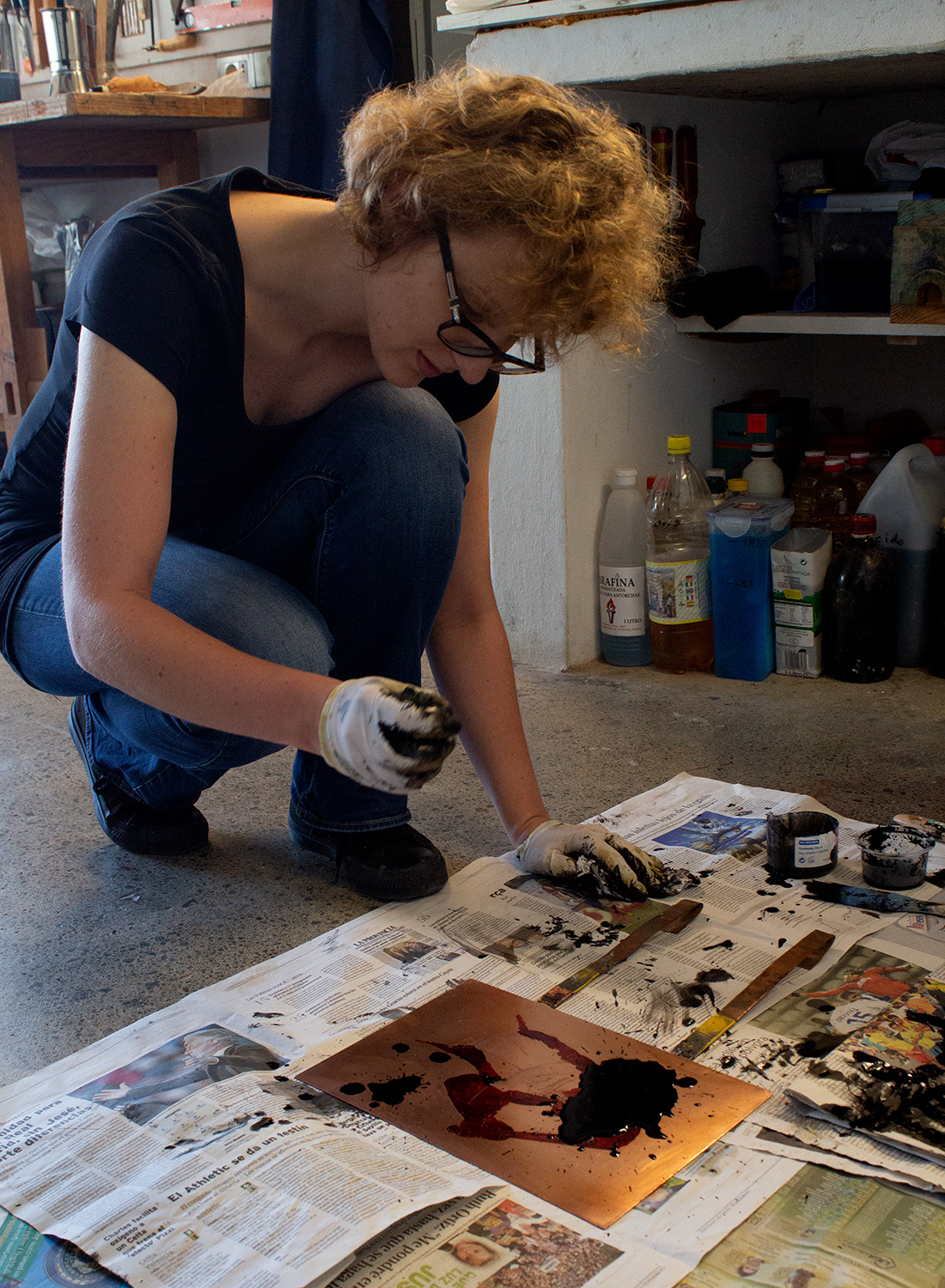
project infoThe non-toxic intaglio techniques have been one of my focuses since 2008, especially during my six-month scholarship at Alberta College of Art+Design, Canada. Canadian students paid a lot of attention to the presence of toxic substances in the workshop and to proper ways of handling them. Some of them decided not to work in an intaglio studio, as it entailed the necessity of working with acids. The Polish graphic environment, at that time, did not concentrate on the problem of (non)toxicity in artistic graphics. There were no papers, blogs, or websites in Polish concerning the so-called green practices. You were successful if you found shops offering eco-friendly substitutes. For me, the technological aspect of artistic graphics is just as important as the visual effect, and often those two depend on one another. In April 2014, I participated in a two-week training programme in one of the three European studios focusing on electro-etching (The Non-Toxic Electro-Etching Workshop, Alfonso Crujera, Spain). The training programme and its extent allowed me to learn the basic concepts of this type of etching.
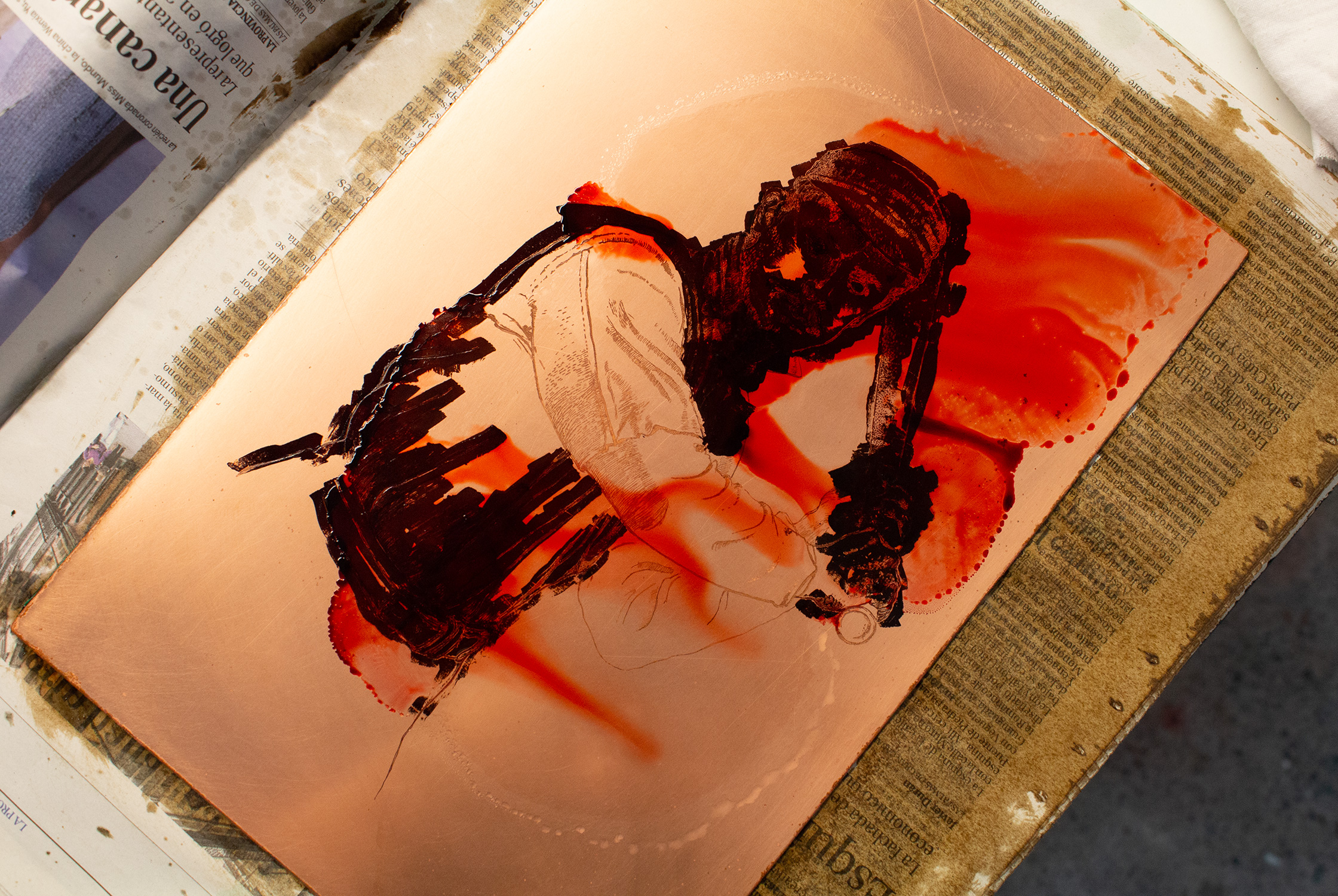
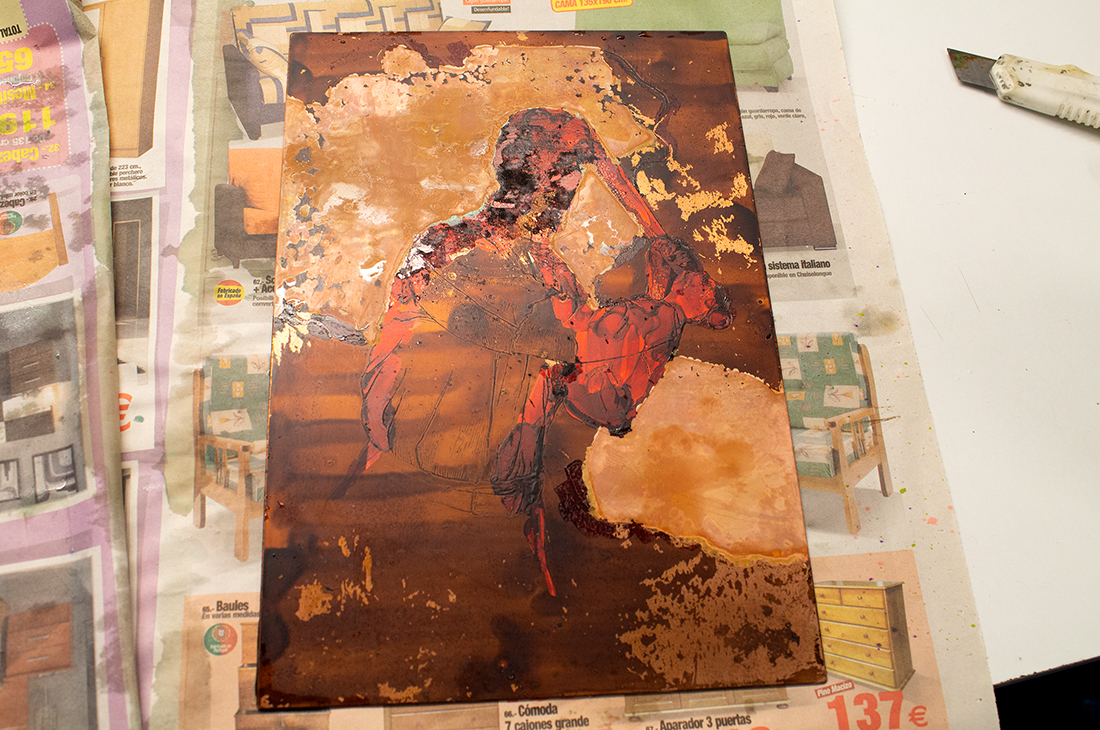
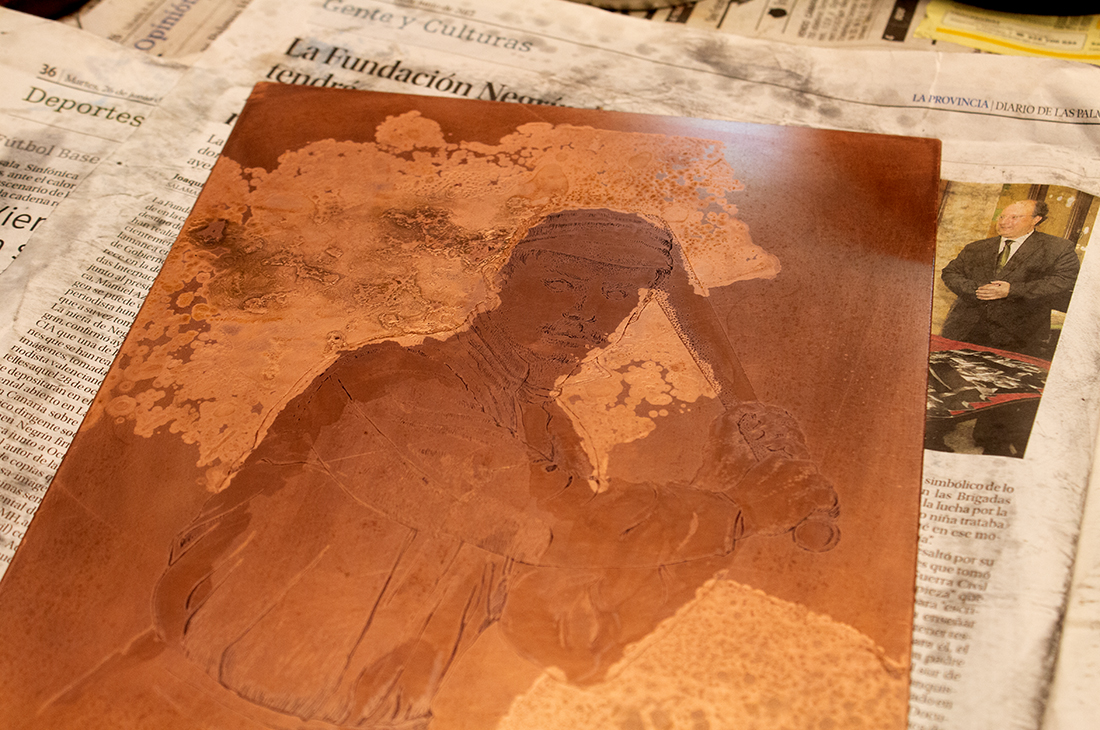
In traditional intaglio techniques, a metal plate is etched in acid, while electro-etching uses an electric current instead. It is considered safe and non-toxic, among many other positive sides of the technique. Electro-etching has its own value and potentiality in which I see an incredible tool of visual speech.
— please find more www.underpressure.pl